Self Help Meth Addiction Program
Medically Reviewed By:, Nov 20, 2019Updated: Nov 20, 2019According to the 2011, nearly 12 million people in the United States reported non-medical methamphetamine use at least once in their life. The (NIDA) found that in 2016, 7,663 people died from methamphetamine overdose, making it the fifth deadliest drug in America.Because meth and crystal meth are considered to be among the most addictive substances available today (primarily due to the way they change your brain), it’s a difficult addiction to overcome on your own. That’s why we wrote this guide – to give you all the information you need to find and choose a rehab that will put you on the path to recovery.For a more in-depth look at the nature of methamphetamine use and addiction, read our guide on the dangers and side effects of.
SettingType of TreatmentDescriptionTime CommitmentDurationInpatientShort-term residentialIntensive treatment, sometimes in a hospital setting. Therapies offered are extensive. Typically 3-6 weeks, and often a modified 12-step approach.Hours per Day: 2414-30 daysDays per Week: 7Long-Term ResidentialIntensive treatment in a non-hospital setting, most often a therapeutic community facility with other patients.
Therapies offered are extensive, and the focus is on treating the substance use disorder – typically when intensive medical or psychiatric supervision isn’t needed.Hours per Day: 243-12 monthsDays per Week: 7Partial Hospital- izationIntensive treatment in a hospital setting. Patients do not stay overnight. Referred to as “inpatient” due to the hospital setting, extensive services provided, and the near full-time commitment every week.
Medical treatment is available to those who qualify.Hours per Day: 6-814-30 daysDays per Week: 5OutpatientIntensive Day Treatment / Intensive Outpatient TherapyPatients receive the extensive services of an inpatient program but return home after. After completion, patients often transition to less intensive counseling.
Therapies offered are extensive. Medical treatment is available to those who qualify.Hours per Day: 2-43-4 monthsDays per Week: 3CounselingBoth individual counseling and group counseling focus on short-term behavioral goals to develop coping strategies.

Therapies offered are moderate. Medical treatment is not available.Hours per Day: 1-2As long as desiredDays per Week: 1-3Support GroupsSelf-help groups are recommended to help maintain abstinence after another form of treatment. Typically meet one day a week for 1-2 hours.Hours per Day: 1-2As long as desiredDays per Week: 1. Any use of methamphetamine outside of the narrow prescription of Desoxyn for ADHD is dangerous behavior that can lead to an addiction quickly. Methamphetamine is accompanied by a drawn-out withdrawal process that can make the detox stage hard to get through.
The worst symptoms of methamphetamine withdrawal peak at anywhere from 1 to 2 days after quitting and can take weeks to fully subside. Unfortunately, there’s no FDA approved medication to lessen the effects of meth withdrawal, but some medications, like Naltrexone (used in alcohol relapse prevention) have been to potentially reduce the cravings for meth and assist in rehabilitation. The third step in the rehab process is therapy. Therapy’s goal is to treat the root cause of the drug addiction and improve long-term success after rehabilitation. Suggests no fewer than three months of rehab for the best chance at recovery.For methamphetamine addiction, behavioral therapy is the most effective option. Unlike heroin or alcohol, there are no FDA-approved drugs for pharmacological therapy in meth addiction cases. The is currently funding research for drugs that could be used to assist in meth addiction therapy, but for now, the institute can only recommend behavioral therapies.
Behavioral therapies, or “counseling” can take place one-on-one or in a group led by a certified professional in order to pinpoint and eliminate the behaviors that lead to drug abuse. The most highly recommended behavioral therapies for methamphetamine addiction by the are:. Contingency Management: This focuses on rewarding the patient with items for continued sobriety. This is the favored practice for recovering meth addicts. Cognitive–Behavioral Therapy: This form of therapy is focused on helping patients to avoid relapse by identifying each person’s unique “triggers” and managing stress.
The goal is to help patients develop the skills necessary to cope with situations that lead to drug abuse. The Matrix Model: This therapy was formed specifically for abusers of stimulants like cocaine and methamphetamine. It includes elements of relapse prevention, family and group therapies, drug education, social support groups, and 12-step programs. It differs from other programs in that it’s an intensive 16-week program with a rigid structure. The high relapse rate makes aftercare measures like consistent counseling, support groups, and in some cases, moving to a sober living facility so necessary.
Click your state listed below to find NA meetings near you To find Narcotics Anonymous meetings near you, click on your state from the list below. From there you will be able to find the local organization that coordinates the meetings. They will be able to provide the most up-to-date information about the time and location of meetings, as well as the contact information for group leaders.You can also check out alternative types of support groups listed in the table below. NameDescriptionWho They ServeSecular support groups focused on abstinence and drug recovery.
Find a personal account and meeting information.Anyone previously addicted to alcohol or other non-medically indicated drugs12-step spiritual support group for loved ones of those addicted to drugs.Family members or friends with loved one who is addicted to drugsComprehensive list of secular support for anyone struggling to maintain abstinence from an addiction. Find meetings.Anyone recovering from addiction: eating, drug, sex, etc.Entirely online discussion board to provide support to others who are struggling with meth addiction.Meth addicts, recovering addicts, and loved ones.
Sober living homes (also referred to as recovery residences) are group homes that help recovering addicts transition from treatment facilities to living on their own while maintaining sobriety. They are especially helpful for those who don’t have a supportive and positive environment to live in after rehab.Residents can stay for a couple of months of for years, as long as they follow the rules and don’t relapse (most homes have a zero tolerance policy for using substances). Other rules usually include completing chores, attending mutual support groups regularly, and paying an equal share of the cost of renting the home.Some halfway houses are listed in our database, and you can find them by using the appropriate filter in our tool below. Otherwise, head to our guide on sober living homes to learn more about and to find a certified recovery residence near you.
Table of Contents.A Five Stage Model for RecoveryDr. Richard Rawson, Ph.D., an Associate Director of UCLA Integrated Substance Abuse Programs, developed a 5-stage model of recovery for use in cocaine addiction. Authors like Joseph Sharp have effectively adapted this model for use with other stimulants, including methamphetamine.In this model, it is common for people attempting methamphetamine recovery to face two stages simultaneously.
This is particularly common during transitions between stages. Methamphetamine is a synthetic stimulant. It is a derivative of the ephedra plant.Like many of the currently abused recreational drugs, methamphetamine became popular as a stimulant for use in battle. Methamphetamine was on all sides of the global conflicts of World War II. It was used to keep soldiers awake in battle, and its use contributed to the explosive behavior of Japanese kamikaze pilots.There have been many popular medical applications for methamphetamine. Meth as a stimulant was a popular treatment for depression and sleep disorders.
Obesity and other binge eating disorders were treated with meth as they can be an effective appetite suppressant. Methamphetamine also improves focus, and has been used to treat attention deficit disorder (ADD).Difference between Amphetamine and MethamphetamineThough both amphetamine and methamphetamine are derivatives of the ephedra plant, they are slightly different at the.
These molecular differences allow the body to process methamphetamine faster, making it both more potent and more psychoactive.Both amphetamine and methamphetamine can cause increased metabolism and increased heart rate. And both have been historically abused for their stimulant use. Amphetamines, in particular, are still abused by college students, wall street bankers, pilots, athletes, and professional truck drivers.Neither amphetamine, nor methamphetamine, can be legally obtained without a prescription. Amphetamine, being less potent and therefore less addictive, is more frequently prescribed. Both substances, however, are highly addictive.Increased Recreational Production of MethamphetamineThe active ingredient in amphetamines and methamphetamines became a Schedule II controlled substance during the early 1970s.
Though still available via prescription, many different and varied people had developed both a chemical dependence and a physical dependence, for productivity in their daily lives.The precursor of methamphetamine, ephedrine, continued to be found in over-the-counter drugs, as in many of the popular cold remedies. During the early 1980s, motorcycle gangs on the West Coast cooked ephedrine to produce the crystallized form of methamphetamine, known as crystal meth. Mexican drug cartels also became a key source of bulk ephedrine for meth labs in the US. Call us now, specialists are available 24/7.The Dangers of MethamphetamineBesides addiction, there are other, severe consequences of methamphetamine use. These include:. Dental issues and tooth decay. Paranoia and hallucinations.
Rapid or irregular heartbeat. Memory loss. Aggressive/violent behavior. Irregular mood. Decreased appetite, weight loss, and malnutritionAlong with these specific side effects, meth use can carry other dangers.
These dangers include diseases or other bacterial infections from shared needle use, as well as ill effects from the abuse of other drugs alongside methamphetamine.WithdrawalOne of the primary differentiating factors in methamphetamine addiction withdrawal, when compared to the withdrawal symptoms of other substances, is the strong dopamine response. Long-term meth abuse can cause significant damage to the dopamine receptors in the brain. Methamphetamine addicts, during withdrawal, will not only have less dopamine to give them pleasure, but also less ability to experience the effects of dopamine.
Compressor aerodynamics – N. Cumpsty – Google Books Rolls Rolls Royce For additional information, see the Global Shipping Program terms and conditions – opens in a new window or tab This amount includes applicable customs duties, taxes, brokerage and other fees. Compressor Aerodynamics Cumpsty Pdf 113 - DOWNLOAD. 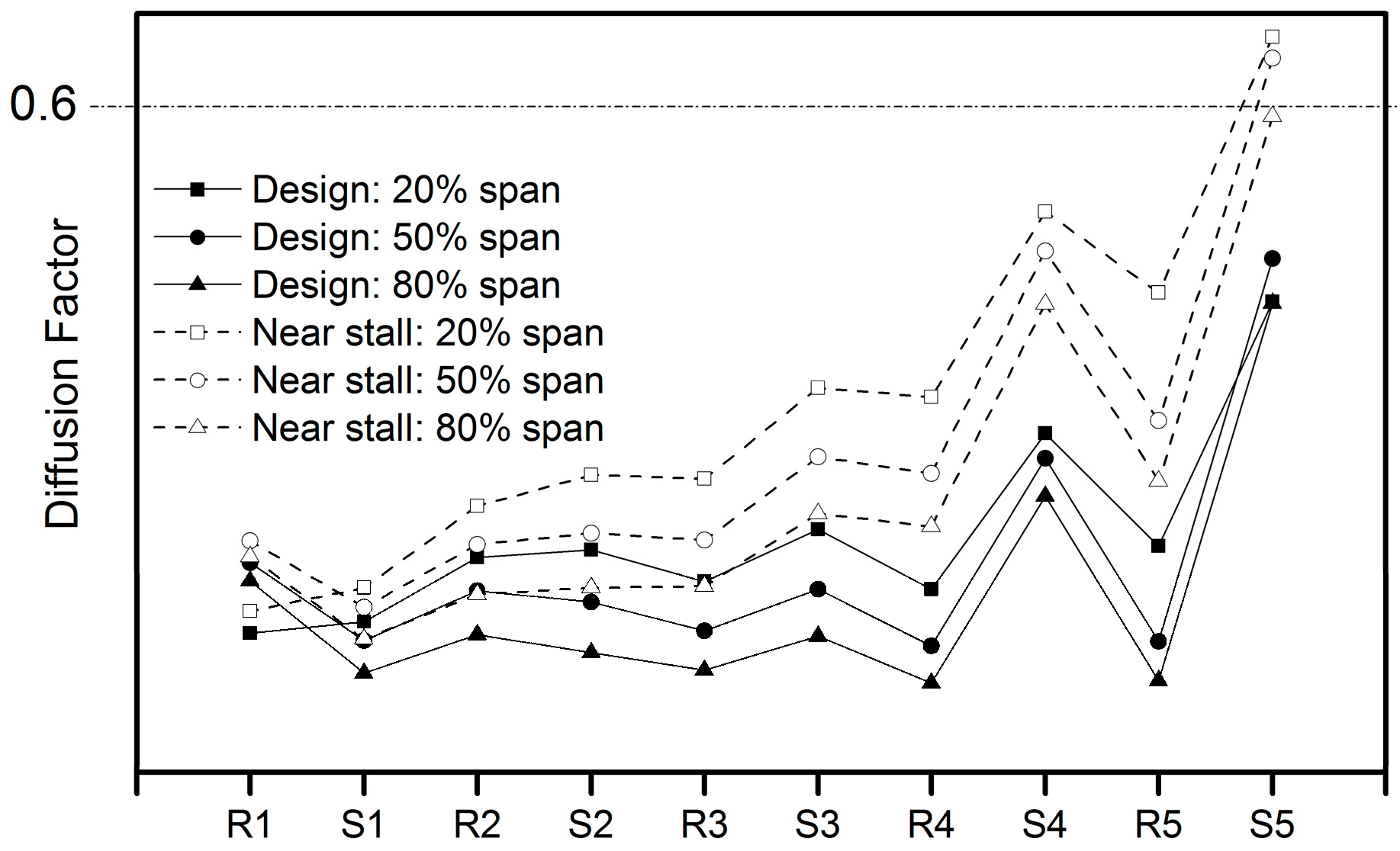 CUMPSTY COMPRESSOR AERODYNAMICS PDF - Compressors find widespread use in many industrial applications, but it was the advent of the jet engine which gave a great boost to its development. CUMPSTY COMPRESSOR AERODYNAMICS PDF - Compressors find widespread use in many industrial applications, but it was the advent of the jet engine which gave a. Apr 26, 2006 Compressor Aerodynamics. Longman, 1989. Volume 226 - H. Available formats PDF Please select a format to send. By using this service, you agree that you will only keep articles for personal use, and will not openly distribute them via Dropbox, Google Drive or other file sharing services.
The result for many former meth addicts can be anhedonia, an inability to experience pleasure.So, while the sickness due to methamphetamine withdrawal can be less significant, when compared to withdrawal from, the effects of anhedonia can last for years.“ Sleep, Eat, and Drink”After a long period of sleep deprivation, decreased appetite, and dehydration, caused by meth abuse, the initial stages of methamphetamine addiction withdrawal are often notable for the increased sleep, caloric intake, and drinking that occurs. It is not uncommon for people facing meth withdrawal to gain a lot of weight during this period.Like other substances, methamphetamine withdrawal involves periods of intense cravings. Anhedonia symptoms during these cravings can lead to a swift relapse.OverdoseMethamphetamine is a central nervous system stimulant, and when too much is consumed at once, the results can be fatal. Rapid, irregular heartbeat can lead to heart attack or stroke. Body temperature can rise sharply, also resulting in fatal heart responses or kidney failure. Seizures from methamphetamine use can lead to fatal brain damage.Why is Methamphetamine So Addictive?The brain has certain centers dedicated to the regulation of pleasure.
Self Help For Meth Addiction
These centers are designed to motivate people to repeat certain activities. Examples of these activities include sex (to stimulate population growth) or eating certain foods (to stimulate growth or health). In either case, a chemical known as dopamine is produced to induce pleasure.Methamphetamine use also stimulates the release of, only amplified.
The feeling of euphoria when using methamphetamine is accompanied by increased awareness, focus, and often productivity, or even increased sensation from sexual contact.As the effects of the drug wear off, a chemical imbalance presents itself. For someone using methamphetamine, the result can be high tension, anxiety, and irritability.The dopamine flood has additional consequences for the brain’s dopamine receptors. Chronic methamphetamine abuse causes these receptors to become damaged. Initially, the brain will require more dopamine, and therefore constant supplies of methamphetamine, to produce the same, pleasurable responses.
The result of this damage is chemical dependence.Because these dopamine receptors can become so severely damaged, the chase of the high provided by methamphetamine can be futile for a chronic user. Many of meth’s psychological side effects are a consequence of severe chemical depression.Crystal Meth in Society. One of the societal challenges posed by the rise in methamphetamine use over the course of the past 30 years is in how it can be produced. Ingredients can be found in popular over-the-counter cold medications. Anything that contains ephedrine can be used as a base for meth production.The rise of online communications has spread the ease of production through user guides and video tutorials. Ultimately, the production of methamphetamine always involves dangerous chemicals.
When not treated with the caution required, crystal meth production can lead to destruction of property and severe injury. As meth is commonly manufactured at or near a home, family members, children, and neighbors are all at risk.All of these reasons contributed to the crafting of the 2005 Combat Methamphetamine Epidemic Act (CMEA). This act regulates the sale of over-the-counter medications used for the production of methamphetamine. These medications are now kept in a safer location, often under lock-and-key, and cannot be legally purchased without a valid ID.The crackdown in the United States has made production more difficult, at least recreationally, in local US neighborhoods. However, just over the border in Mexico, where regulations are fewer and more difficult to enforce, production remains simple and profitable.Methamphetamine StatsThe use of methamphetamine increased by 3-4% between 2010 and 2015. A Long-Term Approach to Methamphetamine RecoveryAs discussed earlier, one of the unique challenges of methamphetamine addiction treatment lies in the damage done to the dopamine receptors in the brain. The inability of an individual to perceive pleasure, as a result of the damage done to these receptors, can lead to depression and relapse.The bad news is that damage to these dopamine receptors can take as long as two years to heal, in the appropriate treatment environment.
Meth Addiction Withdrawal Symptoms
The good news is that in most cases, damage is not permanent, and a person who has struggled with meth addiction can, indeed continue to experience pleasure at or near the rate of the general population.Total brain function, and not simply the dopamine receptors, can be adversely affected by chronic methamphetamine use. Impulse control and attentional focus, in particular, have been found to be difficult for those with a history of meth abuse.Again, the chances of short-term recovery can be slim, and frustrating for anyone battling methamphetamine addiction. Studies have shown, however, that brain recovery can occur after a year of abstinence.Rehabilitation statistics for former methamphetamine addicts are not good, with approximately a 12% success rate. But given the size of the methamphetamine abuse issue, even a small number of successful recovery attempts should be celebrated.The Matrix Model in particular has shown a success rate that is higher than the rate offered by other approaches (as high as 50-60%).Most importantly, recovery from methamphetamine is possible, and increasingly so with the right treatment and recovery plan.Let Recovering Champions help you with your Right now!